Every holiday season, customers get texts like "Your [brand] parcel is on hold. Pay a $1.99 redelivery fee to reschedule," with a link to a page that looks exactly like your tracking site. The fee is tiny; the card details are the prize. Customers who fall for it often contact you afterwards, angry, because the message had your name on it.
Researchers see a spike in this every year from late November into January (McAfee). NordVPN counted an 86% jump in fake postal websites in a single month last season, with fake DHL sites up 206% and fake USPS sites up 850% (NordVPN, data from August to October 2025). This playbook is for the companies whose names are on those messages: couriers, and the retailers whose orders they carry.
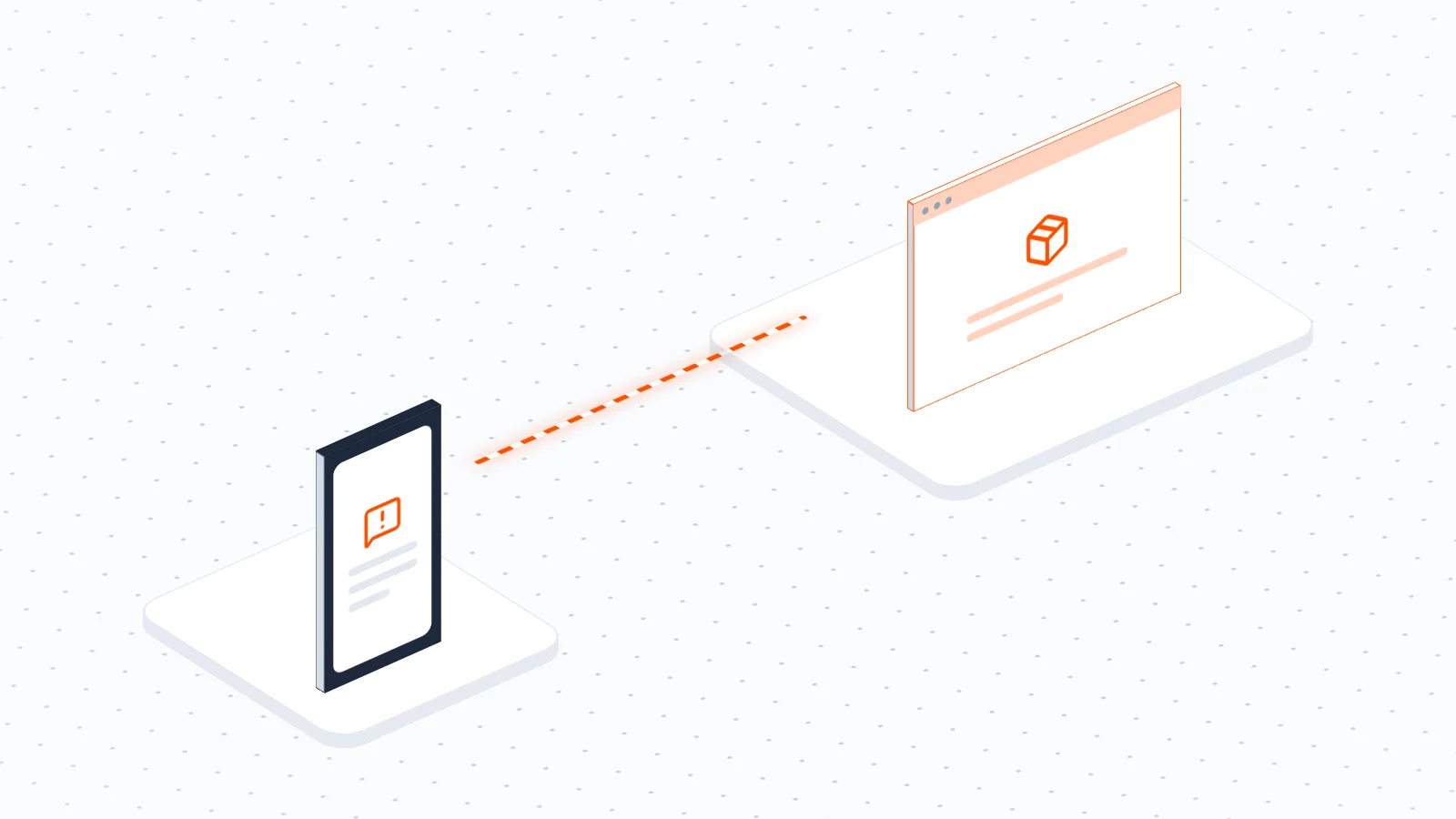
- 01
Domains
Lookalikes with your name plus track, parcel or delivery
↓→ - 02
Texts
Sent from many numbers or messaging accounts
↓→ - 03
Landing page
A copy of your tracking or payment page
↓→ - 04
Card details
Collected for a small fee, then reused
The kits behind these campaigns are sold as a service. The same groups that send package redelivery texts now offer modules to spin up fake online stores just as quickly, and holiday weeks are their busiest time (Harvard TagTeam, republishing KrebsOnSecurity).
The weak point is the landing page. Texts are cheap and endless, but each campaign needs working websites, and those have registrars and hosts that can take them down.
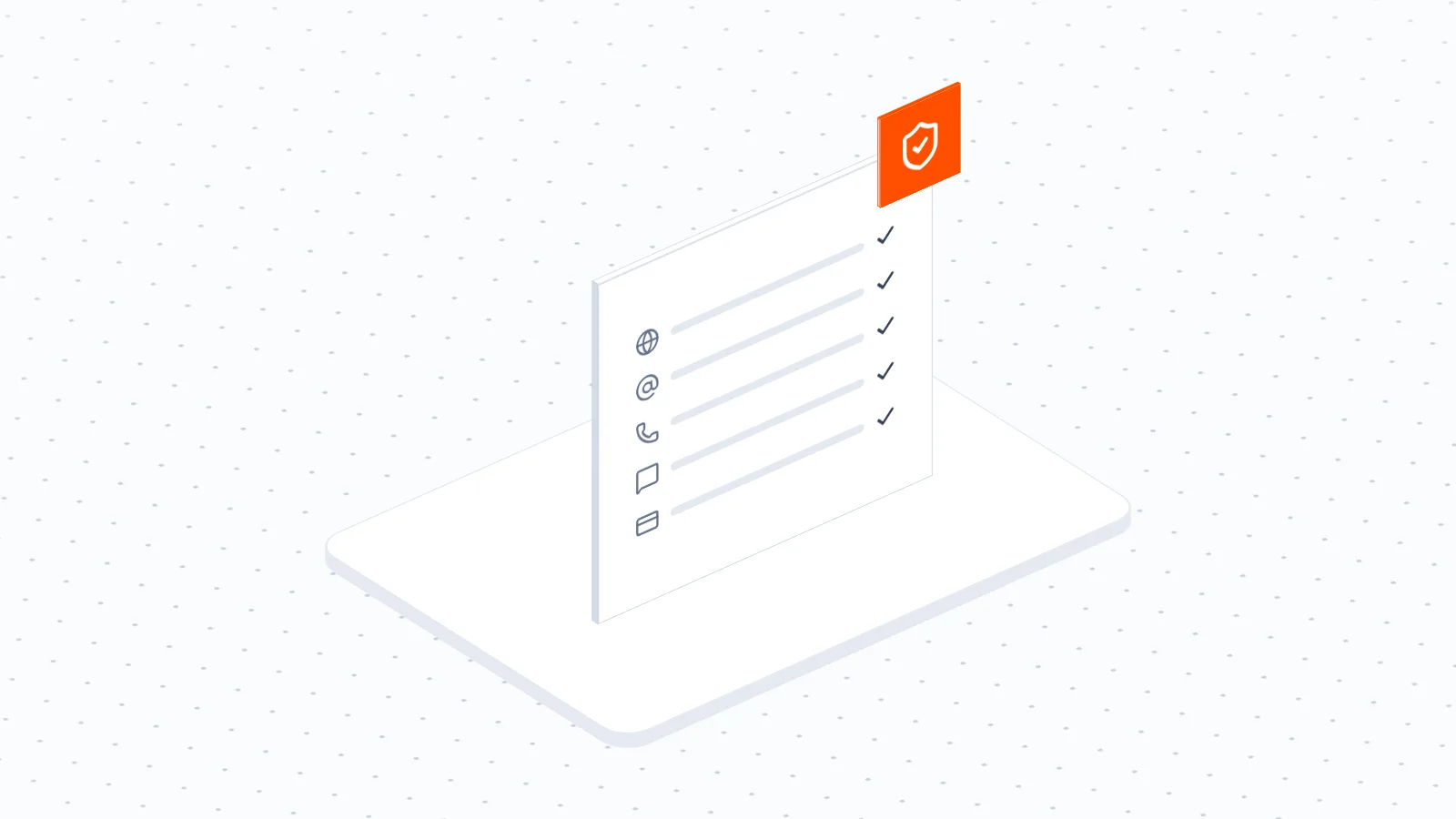
- Say exactly how you send delivery updates. On your website, in order confirmations and in your app: which sender name or short code you use, which domain your tracking links use, and that you never ask for a fee by text.
- Keep tracking on one domain that customers can learn, rather than many campaign domains or link shorteners.
- Publish an example of a real delivery message next to a fake one. People recognize patterns faster than rules.
- Watch new domains that combine your brand with words like track, parcel, delivery, redelivery, customs or fee. Campaigns need these domains before they can send a single text, so a new one is an early warning.
- Set a strict DMARC policy on your email domains, so the email version of the scam can't use your exact address (CybelAngel).
- Prepare the response: a ready warning post, a support reply and a named person who can approve takedown reports at night and on weekends.
- Get the link. Ask support to collect the exact link from every customer who reports a text. That's your evidence.
- Report each landing page to Google Safe Browsing and Microsoft SmartScreen, so browsers warn the next people who tap the link. See how browser phishing warnings work.
- Report to the registrar and host with a screenshot of the fake page, the full address and a sentence on what it imitates. Our abuse report template shows the format.
- Warn customers on your website, app and social accounts, with a screenshot of the fake text: "We never ask for a redelivery fee by text."
- Look for siblings. Campaigns use many domains at once. Search for other new domains with the same pattern and report them too.
| If they… | Tell them |
|---|
| Got a text but didn't tap | Delete it. In the US, forward it to 7726 first (USA Today, via AOL). |
| Tapped but didn't enter anything | Close the page. Check the parcel only in your app or on your real site. |
| Entered card details | Call their bank now to block the card, and watch for unfamiliar charges. |
| Paid and lost money | Contact their bank, report it to the police or national fraud service, and keep the text as evidence. |
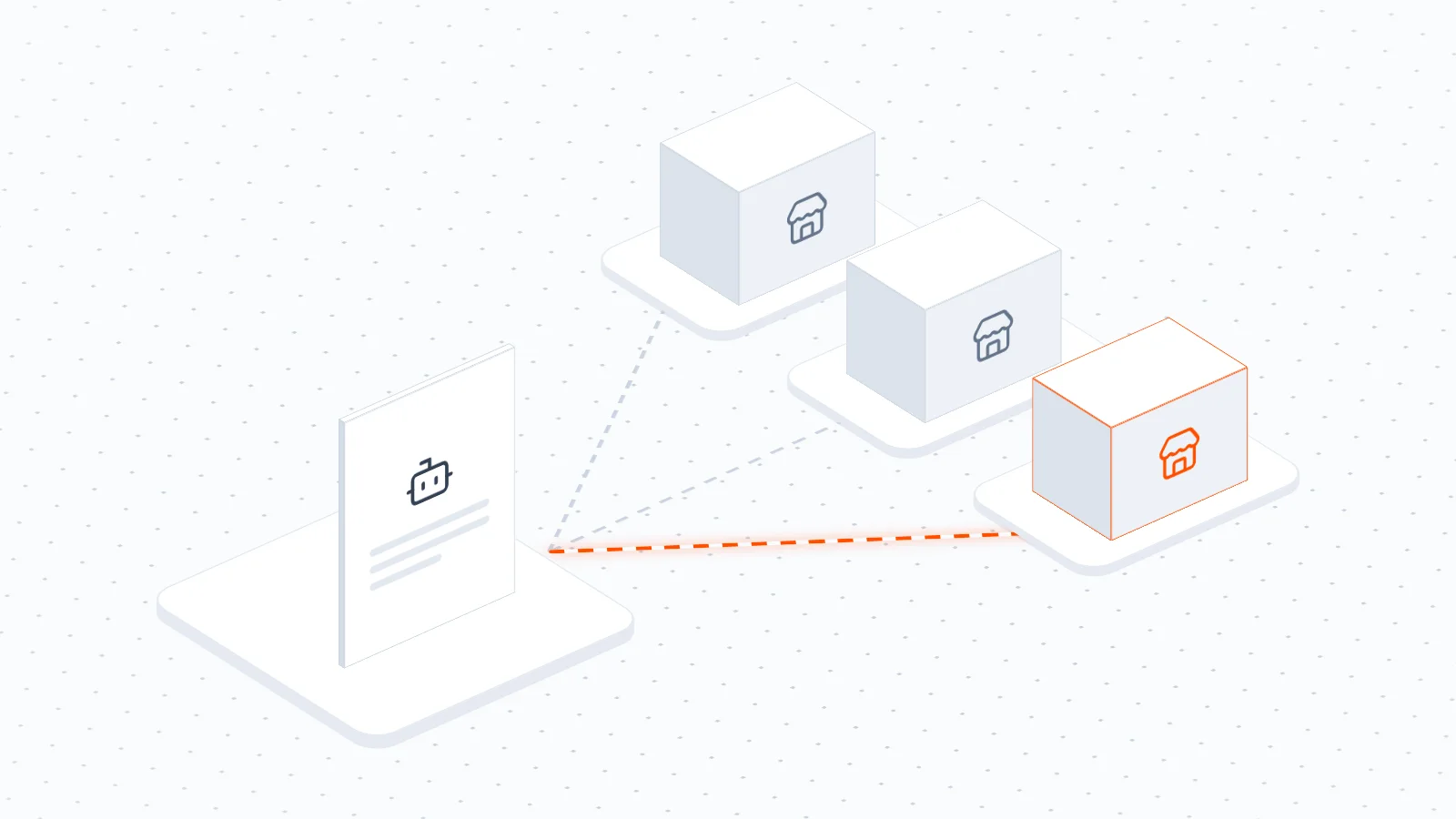
Scammers increasingly use the store's name rather than the courier's: "Your order from [store] could not be delivered." Retailers should run the same playbook as couriers, and agree with their carriers who reports what, so the same page isn't reported twice while another is missed. The fake stores in Latin America guide covers regional reporting channels.
Sentrike Brand Protection watches new domain registrations and certificates for your brand combined with delivery and payment words, so campaigns are often visible before the texts go out. Sentrike Takedown reports each landing page to Google Safe Browsing within minutes, sends the evidence to the registrar and host, and follows up until it's offline. See Takedown.