In November 2026, NordVPN reported that Perplexity recommended two fake stores alongside real retailers, and that ChatGPT and Gemini cited other sites from the same fake-store network. Assistants repeat what ranks and what looks authoritative, so the defence is the same as for search: make your official store unmistakable to machines, check what assistants say about your brand, and take clones down fast so there's nothing live to recommend.
Key terms · 3
AI shopping assistant
A chatbot or AI search engine, such as ChatGPT, Gemini or Perplexity, used to find products, compare prices or pick a store.
Fake store network
Many fake stores run by the same operator, often from one template, rotating across domains and brands.
Structured data
Machine-readable labels in a web page that tell search engines and assistants what the page is, for example that a site is a brand's official store.
NordVPN reported that Perplexity recommended two fraudulent stores alongside legitimate retailers, and that ChatGPT and Gemini cited other websites connected to the same network. The reports don't describe how the assistants were tested, so treat the findings as examples rather than measured rates.
Why would an AI assistant recommend a fake store?
Assistants that search the web draw on pages that rank and look relevant. Fake stores are built to look official, use local language and prices, and are optimized to appear in search results. When one ranks for a brand plus a discount, an assistant can pick it up.
Can I report a wrong recommendation to the AI company?
Most assistants have a feedback button on each answer. Use it, but don't rely on it. Taking the fake store offline and getting browsers to warn about it fixes the problem for every assistant and search engine at once.
How do I check what assistants say about my brand?
Ask the questions shoppers ask, such as "official [brand] store," "[brand] Black Friday discount" and "is [store address] legit," in each assistant your customers use, in each country and language you sell in. Repeat weekly in sales season and keep screenshots.
Spent seven years in cybersecurity helping build Lumu Technologies before founding Sentrike, where he builds AI agents that find and take down phishing sites and brand impersonators.
Scammers send fake delivery and redelivery-fee texts in your company's name. A playbook for retailers and couriers: what to set up before December, and what to do when a wave starts.
A fake store is copying your brand in Colombia or elsewhere in Latin America. Who to report it to, including .co domains, CAI Virtual and ColCERT, and how to warn customers on WhatsApp.
A copyable template for the page that tells customers which website, social accounts, numbers and messages are really yours, so they can spot fake stores, ads and texts during sales season.
Nov 30, 2026 · 2 min read
Shoppers increasingly ask an assistant instead of a search engine: "Where can I get [brand] boots on sale?" During Black Friday 2026, some of the answers pointed to stores that weren't real.
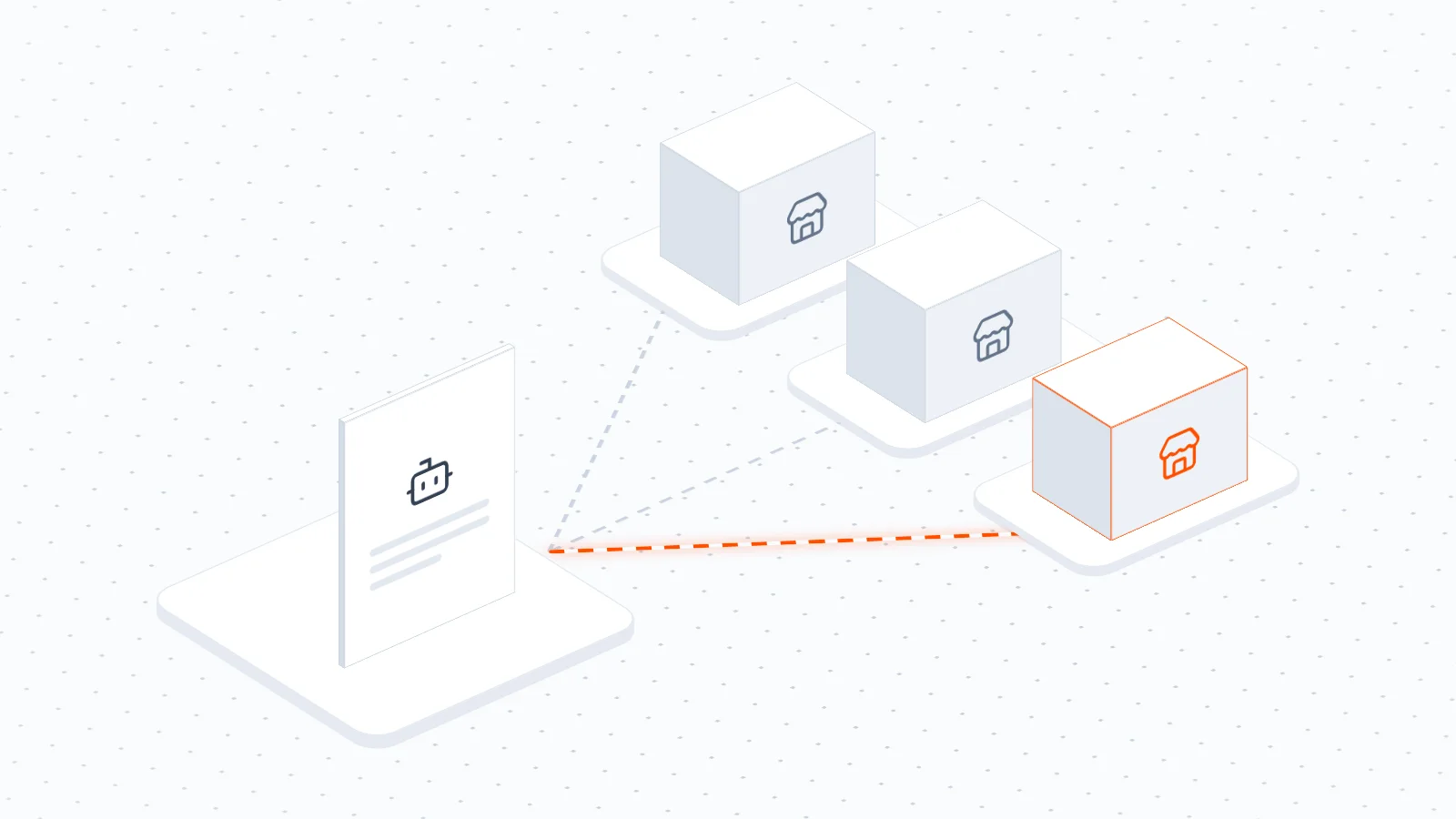
NordVPN, investigating a network of more than 10,000 fake stores imitating 166 fashion and luxury brands, reported that Perplexity recommended two fraudulent stores alongside legitimate retailers, and that ChatGPT and Gemini cited other websites connected to the same network (Money). The reports don't say how the assistants were tested, so these are examples, not a measured rate. But they show a new route from a fake store to a customer, and it's one brands can do something about.
Assistants that search the web choose sources much as search engines rank pages: relevance, apparent authority and freshness. Fake stores are built to score on all three.
They look official. NordVPN found stores that mimic each country's official site, with the local language, currency, a local address and payment logos (Money).
They're built for search. The same stores were optimized to appear in Google results, so shoppers didn't need to click an ad to find them (Money).
There are a lot of them. Seventy-four percent of scam stores in one 2026 holiday study used AI-generated content, with a new fake store reported roughly every three minutes (CybelAngel, citing the Scamwise 2026 report).
Discount questions favor them. A question about a sale invites pages that advertise one, and fake stores always do.
1. Make your official store unmistakable to machines#
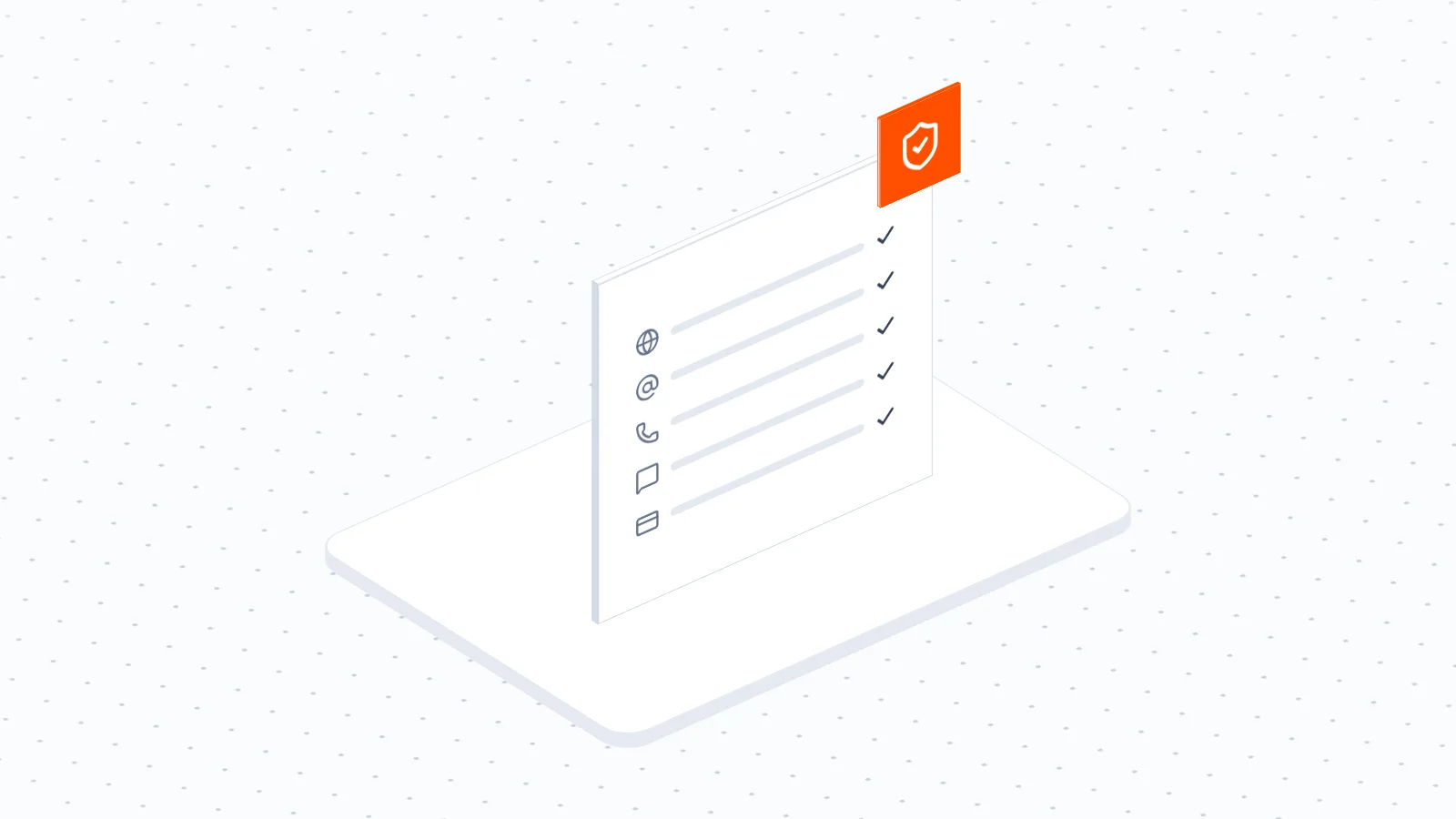
Assistants have to work out which site is yours. Make it easy:
One official domain per country, listed consistently on your website, social profiles, marketplace pages and press pages.
Organization structured data on your site with your official domains and social profiles in sameAs, so search engines and assistants can link them.
An official channels page listing your real store, apps, social accounts and support contacts, in plain text that assistants can read and quote.
A short statement of where you sell, including which marketplaces and resellers are authorized. Assistants often answer "is this store legit?" by looking for exactly that.
Assistants and search engines can only recommend pages that exist. A fake store that's offline, or that browsers flag as dangerous, stops being a useful answer. Report every clone to Google Safe Browsing, its registrar and its host the same day you find it. See the first 24 hours after a fake store appears.
Report wrong answers through each assistant's feedback option. It helps over time, but it's slow and fixes one answer at a time. The takedown fixes it everywhere.
Fake stores used to need people to build them and people to find them. Now AI writes the product pages, kits create thousands of domains, and AI assistants help shoppers choose where to buy. The defence has to work at the same speed: machines that find each clone as it appears and take it down before it ranks, gets cited or takes a payment.
Sentrike Brand Protection watches new domains and pages for copies of your store, so clones are found before they rank or get recommended. Sentrike Takedown reports each one to Google Safe Browsing within minutes and follows up with the registrar and host until it's offline. See Brand Protection.