Impersonation reports are usually closed because they don't show, at a glance, who is being copied and that the person reporting has the right to report it. For a brand, the trademark or brand-rights channel almost always works better than the generic impersonation button: file as the brand owner, with proof of your trademark and a side-by-side of the real and fake accounts.
Key terms · 4
Impersonation report
A report that an account pretends to be a specific person or organization. Judged mainly on who is reporting and whether the copying is deceptive.
Trademark report
A report from a trademark owner that an account misuses its brand name or logo. Usually reviewed by a separate intellectual property team.
Brand Rights Protection
Meta's tool for registered trademark owners to find and report infringing content and accounts on Facebook and Instagram.
Bystander report
A report from someone who isn't the person or brand being impersonated. Platforms often give these less weight.
Who can report an account that impersonates my company?
Anyone can use the report button, but platforms act most reliably on reports from the brand owner or an authorized representative. X, for example, asks representatives for proof of authority, and Meta and X route brand misuse to their trademark processes.
Do I need a registered trademark?
Not to report impersonation, but it helps a lot. Trademark reports go to specialist teams, and tools like Meta's Brand Rights Protection require a registered trademark. In China, platforms such as Douyin and Xiaohongshu generally expect Chinese IP rights.
How long does a review take?
Platforms don't publish review times for impersonation reports, and they vary from hours to weeks. Document the fake account while you wait, because it can change its name or delete posts.
What can I do about impersonators on Telegram?
Report the channel in the app, use Telegram's official anti-scam bot @notoscam, and for detailed cases email abuse@telegram.org with the t.me link or username. Copyright complaints go to dmca@telegram.org.
Spent seven years in cybersecurity helping build Lumu Technologies before founding Sentrike, where he builds AI agents that find and take down phishing sites and brand impersonators.
How fake executive profiles are used for investment, recruiting and payment scams, where they appear, how to find and report them, and the internal rule that stops most losses.
The social, video, messaging and community platforms where fake brand accounts appear, including ones where you have no official account, with an audit sheet to check your exposure.
Why brand protection outside the firewall is a growing gap in MSSP services: what the market data shows, why clients can't do it in-house, and where MSSPs fit.
Nov 20, 2026 · 3 min read
You find an Instagram account using your logo, posting as your customer support and sending people to a phishing page. You report it. A day later: "We reviewed the account and found that it doesn't go against our Community Guidelines." The account is still there, still messaging your customers.
This happens constantly, and it's rarely because the platform thinks the account is fine. It's because the report didn't give the reviewer, often an automated one first, what it needed to decide quickly. Here's what that is, and the routes that work better.
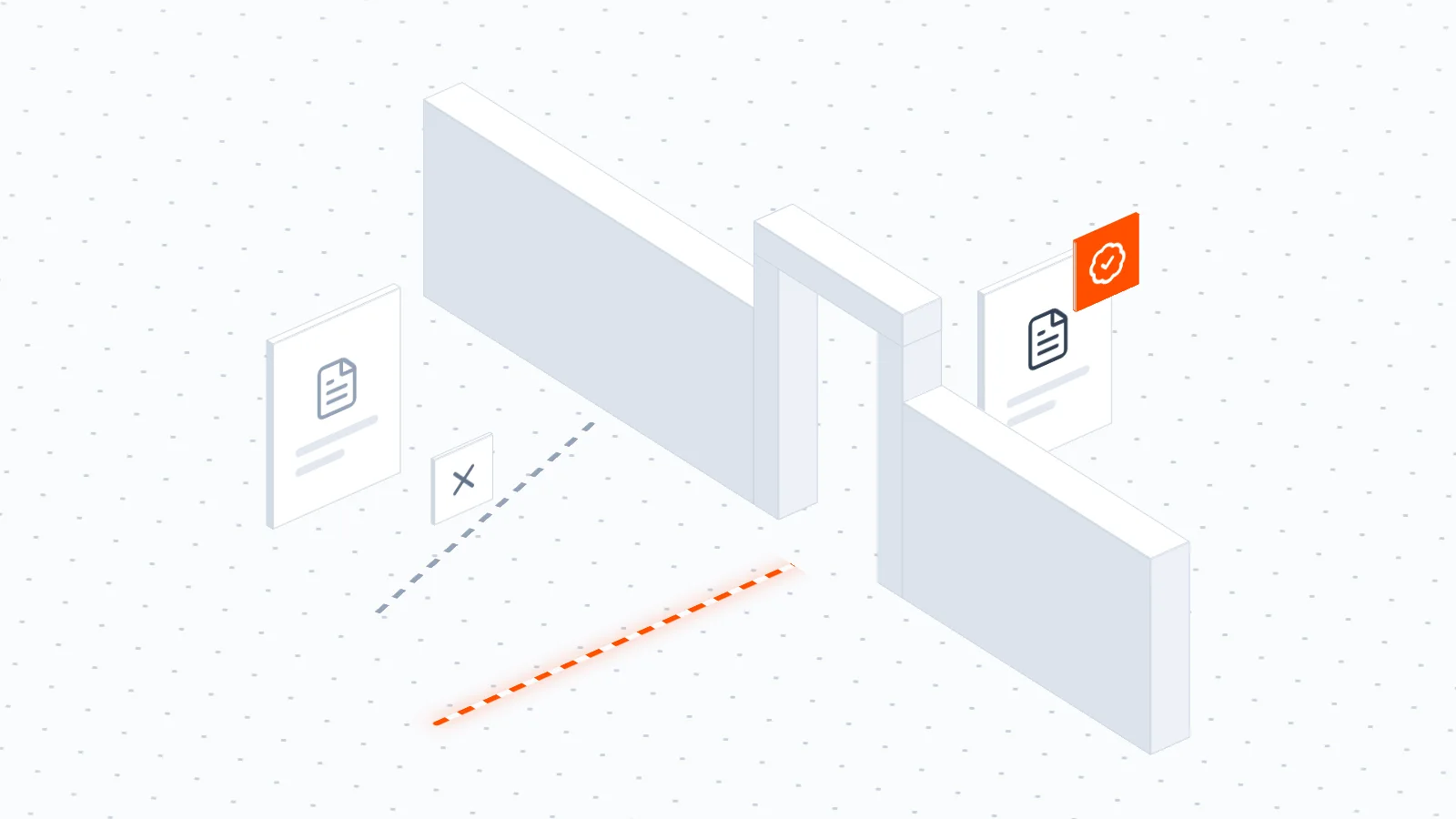
Impersonation reports are judged on a few narrow questions: is this account pretending to be a specific person or organization, is it doing so in a deceptive way, and does the person reporting have the right to report it? Reports usually fail on one of these:
Wrong reporter. A report from an employee's personal account, or from a customer, looks like a bystander report. Platforms act more reliably when the brand owner or an authorized representative reports. X, for instance, asks representatives to prove they're authorized (X Help Center).
Wrong form. Brand misuse often fits the trademark policy better than the impersonation policy. X says so directly: companies should report accounts misusing their trademarks or brand under its trademark policy (X Help Center).
Not obviously deceptive. Fan pages, parody and commentary are allowed on most platforms. A fake account with a slightly different name and no stolen logo can look like one of these unless you show what it's doing: asking for logins, payments or personal details.
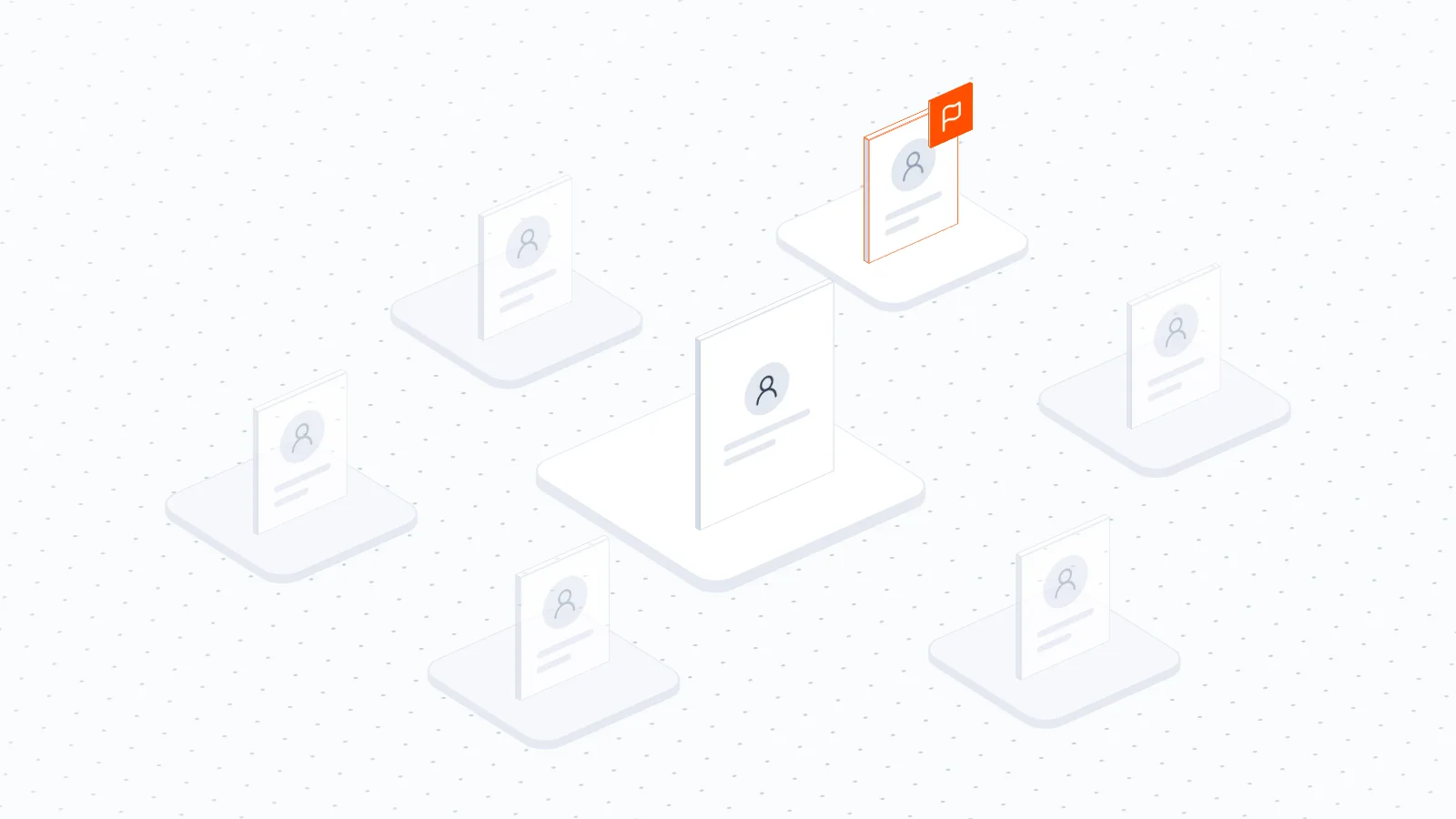
No comparison. The reviewer has to work out which account is real. A report that links both, side by side, saves them the work.
The in-app "Report" button is built for individuals. Brands get further through the intellectual property or brand-rights channels, which are reviewed by specialist teams and ask for the evidence that matters: proof of your trademark and of your authority to act.
On Meta, owners of a registered trademark may be eligible for Brand Rights Protection, which lets you search Facebook and Instagram for infringing content and report it from one place, including business impersonation, trademark, copyright and counterfeit complaints. If you don't have access, Meta's standard intellectual property report forms cover the same violations (Meta Transparency Center).
If a well-evidenced report is rejected, don't refile the same report through the same button: you'll usually get the same answer. Instead:
Switch channels: from the impersonation button to the trademark or brand-rights form.
Add what was missing: proof of authority, the side-by-side, the scam messages.
Use your account contacts: brands that advertise on a platform often have a partner manager who can escalate.
Send a formal notice through your lawyer for persistent or high-impact cases, citing your trademark and the platform's policy.
While you wait, warn your customers on your official accounts and website, and make sure any phishing site the fake account links to is reported to its host and to Google Safe Browsing. That site can usually be removed faster than the account.
A removed fake account is often replaced within days by another with a slightly different name. Keep a record of every account you report, its screenshots and the outcome, so the next report can say "this is the fourth account in this campaign" and reference the earlier ones.
Sentrike Social Monitoring watches 24 platforms for accounts using your brand or your executives' names, and documents each one with screenshots and account details, ready for these reports. Sentrike doesn't remove social accounts. When a fake account links to a phishing site, Takedown gets that site removed. See Social Monitoring.